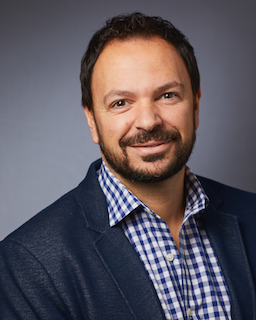
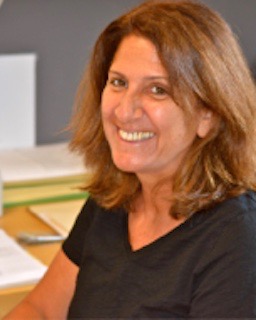
Antonio J. Giraldez, Ph.D. is the Fergus F. Wallace Professor of Genetics at Yale University School of Medicine and former Chair of the Department of Genetics from 2016 to 2023.
Dr. Giraldez studied Chemistry and Molecular Biology at the University of Cádiz and the Universidad Autónoma of Madrid and worked with Ginés Morata at the Centro de Biología Molecular (CBM) in Madrid. He completed his Ph.D. training with Stephen Cohen at the European Molecular Biology Laboratory (EMBL) in Heidelberg (1998–2002), followed by postdoctoral work with Alexander Schier at the Skirball Institute (NYU) and Harvard University (2003–2006). In 2007, he established his laboratory at Yale, where he investigates the regulatory codes that shape gene expression during embryonic development after fertilization. He also served as Director of Graduate Studies in Genetics from 2012 to 2016.
Dr. Giraldez’s laboratory integrates genomics, imaging, biochemistry, proteomics, developmental biology, and computational approaches to uncover the molecular mechanisms that govern gene regulation in vertebrates, from embryonic development to human disease. His research examines mechanisms of transcriptional and post-transcriptional regulation during development. His work includes the identification of the miR-430 microRNA family as a key regulator of the maternal-to-zygotic transition; the discovery of deadenylation as a central mechanism of microRNA-mediated repression; the characterization of alternative microRNA processing pathways independent of Dicer; and the demonstration that micropeptides can be translated from transcripts previously thought to be non-coding. More recently, his group has revealed new regulatory layers in vertebrate genomes, including widespread translation of upstream open reading frames (uORFs), and a newly recognized dimension of the genetic code in which specific codons influence mRNA stability, deadenylation, and translational efficiency. His laboratory also identified essential roles for Nanog, Oct4, and SoxB1 transcription factors in activating the zygotic genome after fertilization. His laboratory has developed open resources for genome editing CRISPRscan, developed novel methods to visualize chromatin regulation through expansion microscopy, including ChromExM and chromatin electron microscopy, and developed massively parallel reporters to investigate the regulatory grammar of post-transcriptional regulation across cell types. He is applying this knowledge toward engineering therapeutic mRNAs. Together, these interdisciplinary efforts provide key insights in genome activation, chromatin architecture, post-transcriptional regulation and cell fate specification. His contributions have been recognized by the Howard Hughes Medical Institute Faculty Scholar Award, the Pew Scholar in Biomedical Sciences, the Vilcek Prize for Creative Promise in Biomedical Science, designation as a Blavatnik Award for Young Scientists National Finalist, and the John Kendrew Young Scientist Award from EMBL.
Video of Dr. Giraldez describing the lab’s research.
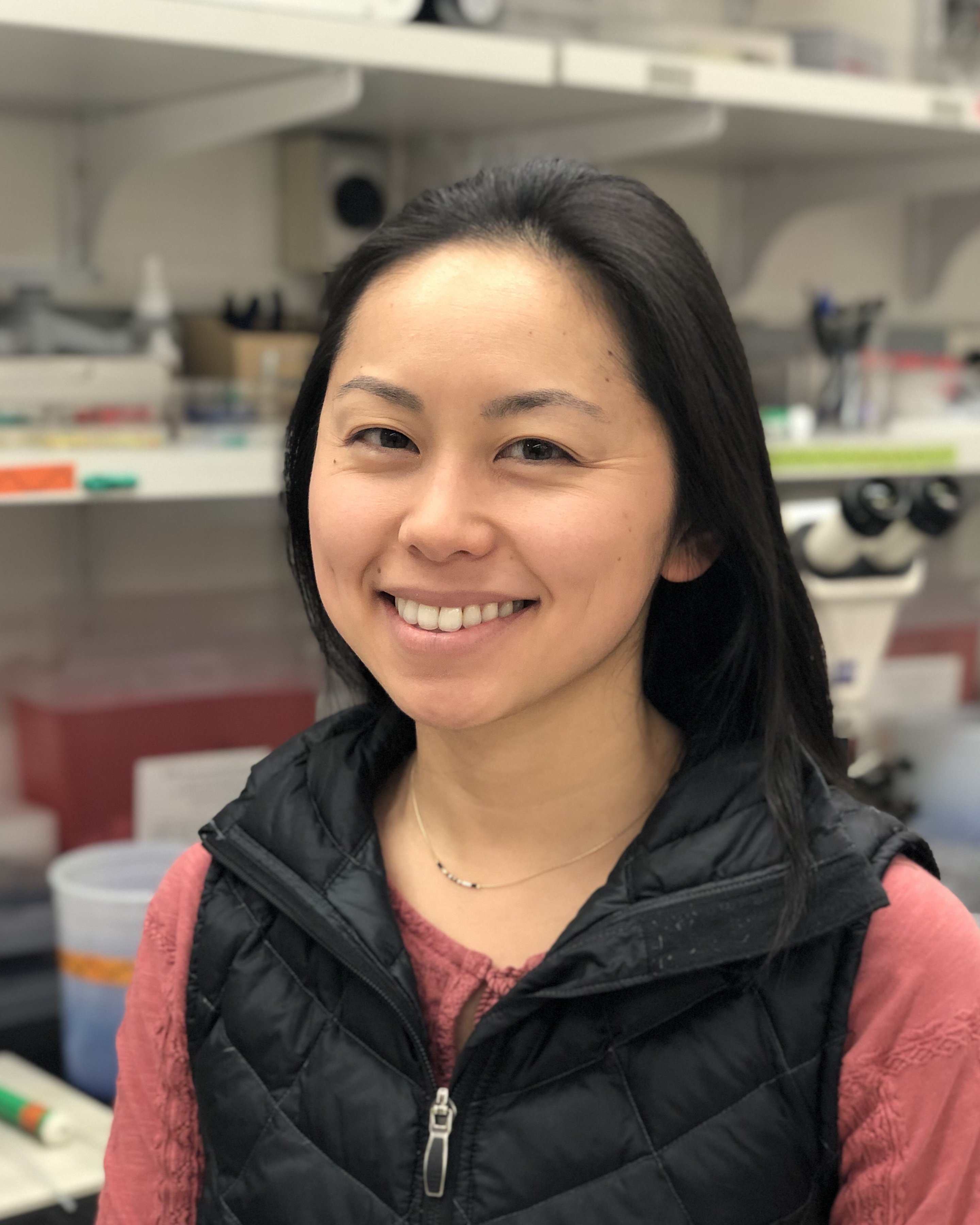
Mina received her undergraduate degree from Princeton University, where she majored in Molecular Biology and minored in Quantitative and Computational Biology. She then received her graduate training in the Department of Biology at Massachusetts Institute of Technology, where she joined the laboratory of David Page at the Whitehead Institute to study how mouse germ cells initiate meiosis. Her PhD training was supported by the NSF Graduate Research Fellowship Program. Mina joined the Giraldez Lab in January 2019 to study zygotic genome activation in the zebrafish embryo. Her postdoctoral work has been supported by the Jane Coffin Childs Memorial Fund for Medical Research.
Curtis received his undergraduate degree from Queen’s University, where he majored in Biology. As an undergrad, he worked in the laboratory of Dr. Sharon Regan where he studied microRNA regulation of wood properties in trees. He then earned his PhD in Molecular Genetics at the University of Toronto / Hospital for Sick Children in the laboratory of Dr. Brian Ciruna where he studied mechanisms of spine morphogenesis using zebrafish. His PhD training was supported by the Canadian Institute for Health Research. Curtis joined the Giraldez Lab in October 2019 to study vertebrate CNS development and disease. His research is supported by the Canadian Institutes of Health Research (CIHR) Postdoctoral Fellowship.
Alice studied cell and molecular biology at the University of Bristol, where she was awarded her PhD. Her previous research investigated chromatin re-organization in the context of mitosis and stem cell differentiation. She joined the Giraldez lab in September 2020, where she was awarded an EMBO fellowship and is applying light and electron microscopy approaches to study chromatin structure during mouse and zebrafish development. Alice’s research is supported by a K99 Pathway to Independence award (NICHD).
Alice will be starting her own research group at Cancer Research UK in late 2026.
Caroline received her undergraduate degree from Jacobs University in Bremen, where she majored in Biochemistry and Cell Biology. She was then awarded a Wellcome Trust PhD studentship at the University of Manchester, where she joined the lab of Prof Hilary Ashe. During her PhD, Caroline used live imaging to investigate how the BMP signaling gradient is decoded at single-cell resolution during Drosophila embryogenesis. Following up in a short postdoc, she imaged translation dynamics in real time and at single-molecule resolution in Drosophila. Caroline joined the Giraldez Lab in April 2021 to investigate promoter and enhancer interactions during zygotic genome activation. Caroline’s postdoctoral work is supported by the EMBO Postdoctoral Fellowship and by the Human Frontier Science Program Postdoctoral Fellowship.
Srikar earned his undergraduate degree in Biochemistry from the University of Madras (Chennai, India), following which he completed his Master’s degree in Biotechnology from VIT University (Vellore, India). After his Master’s, Srikar worked as a Junior Research Fellow in the laboratory of Yashoda Ghanekar at the Institute for Stem Cell Science and Regenerative Medicine (inStem) (Bangalore, India), where he identified small RNAs in Hydra and studied their role in regeneration. In 2015, Srikar enrolled as a joint student between the laboratory of Dasaradhi Palakodeti and Srikala Raghavan at inStem for his doctoral studies. During his doctoral studies, Srikar investigated the functions of a new class of small RNA, tRNA-derived small RNAs (tsRNAs), in the regulation mouse embryonic stem cell differentiation. Srikar joined the Giraldez lab as a Postdoctoral Associate in April 2021 to investigate the molecular programs that maintain RNA homeostasis and identify mechanism that link RNA degradation and transcription.
Elizabeth Eck earned a B.S. in Physics and B.A. in Biology from the College of Creative Studies at UC Santa Barbara. During that time, she studied iridocytes, iridescent cells, in squid and giant clams in the lab of Daniel Morse. Elizabeth was awarded the UC Berkeley Chancellor’s Fellowship and the NSF Graduate Research Fellowship to support her work as part of the Biophysics Graduate Group at UC Berkeley. As a member of Hernan Garcia’s Lab, Elizabeth studied and tested dynamic models of transcriptional regulation and chromatin accessibility in the early fruit fly embryo. Elizabeth joined the Giraldez Lab in February 2022 to study the dynamics of zygotic genome activation using live imaging and physics-based modeling. Liz postdoctoral work is supported by a Helen Hay Whitney Foundation fellowship.
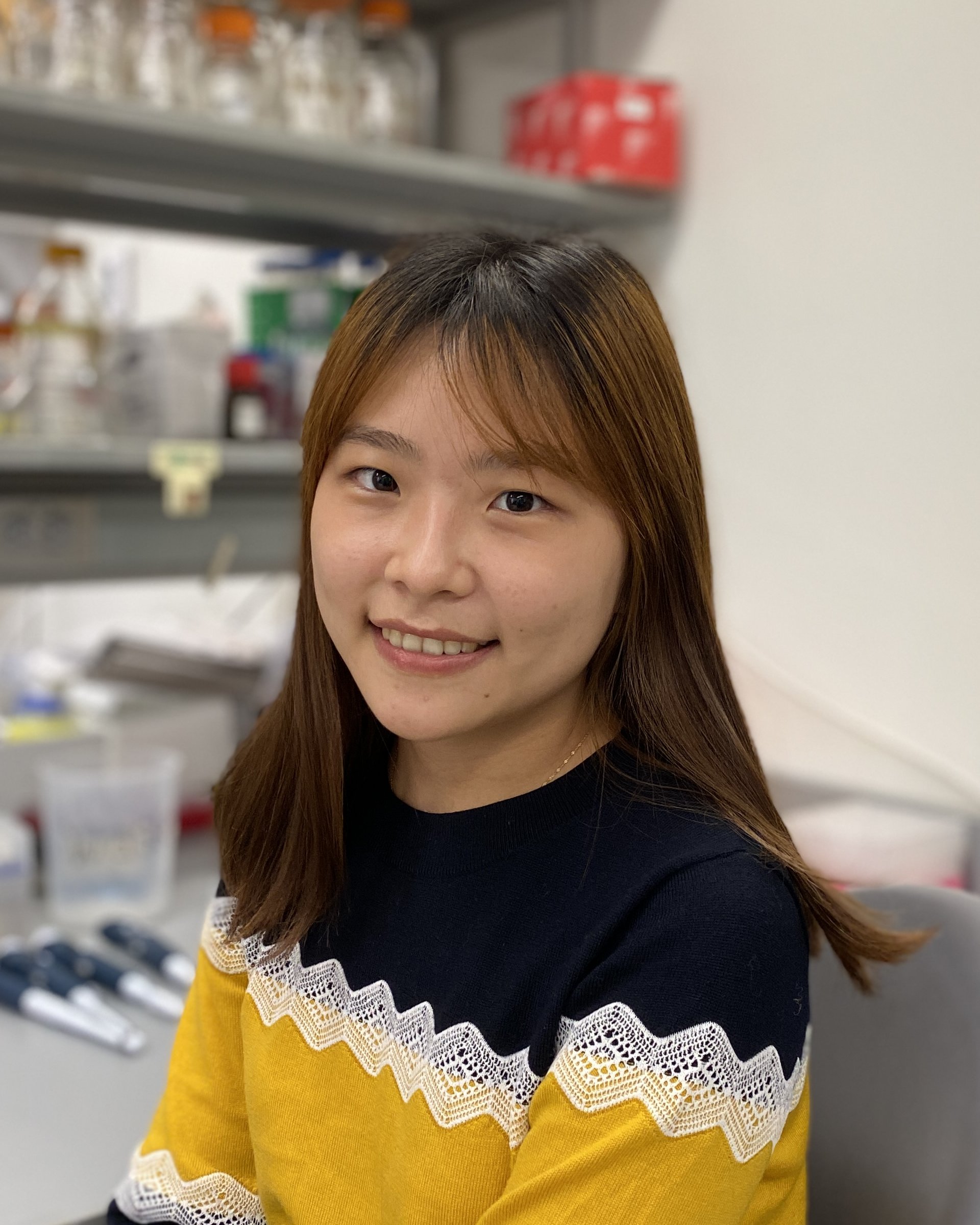
Dié obtained her bachelor’s degree from Chongqing University. She pursued her Master’s and Ph.D. degrees at the Agricultural Genomics Institute at Shenzhen, Chinese Academy of Agricultural Sciences. In April 2023, Dié joined the Giraldez Lab as a Postdoctoral Associate. Her research interests lie in genome evolution and regulation, and currently studying the RNA regulation mechanisms underlying development and disease.
Linnea received her undergraduate degree in biochemistry from Georgetown University. Upon entering graduate school at Yale University, she joined the laboratory of John Carlson where she used behavioral, imaging, and electrophysiological techniques to study the organization and function of the gustatory system of Drosophila. She carried out her postdoctoral research at the National Center for Biotechnology in Madrid, Spain, in the laboratory of Marta Nieto, where she studied how neural circuitry is established and organized during early cortical development. She joined the Giraldez Lab as an Associate Research Scientist in the spring of 2023.
Betsy earned her undergraduate degree in Biotechnology from Karunya Institute of Technology in India. She then pursued a PhD in the lab of Dr. Munia Ganguli at the CSIR Institute of Genomics and Integrative Biology, where she focused on engineering delivery systems, particularly polymer-lipid nanoparticles for nucleic acid delivery to the brain. Her PhD was supported by the CSIR-GATE fellowship. In May 2025, Betsy joined the Giraldez lab as a Postdoctoral Associate to optimize mRNA elements regulating translation and stability, and to develop delivery strategies for mRNA therapeutics.
César received his undergraduate and master’s degrees from the National Autonomous University of Mexico (UNAM), where he studied human embryonic stem cell differentiation into dopaminergic neurons in Dr. Iván Velasco’s laboratory at the Institute of Cellular Physiology. During his PhD in Biochemical Sciences at UNAM, he used ATAC-Seq, RNA-Seq, and ChIP-Seq to study enhancer dynamics in neuronal development. He completed a research internship at King Abdullah University of Science and Technology (KAUST), learning advanced epigenomic techniques including CUT&RUN. In 2025, César joined the Giraldez Lab as a Postdoctoral Associate studying zygotic genome activation.
Haejeong received her undergraduate degree in Life Sciences and Master’s degree in Molecular Biology at Korea University. She worked in the laboratory of Dr. Sung Wook Chi, where she investigated post-transcriptional regulation on mRNA and microRNA and its impact on cardiac pathology. Haejeong entered the BBS graduate program at Yale University in the fall of 2020 and joined the Giraldez lab in the spring of 2021. She is currently interested in understanding transcription regulation mediated by mRNA degradation.
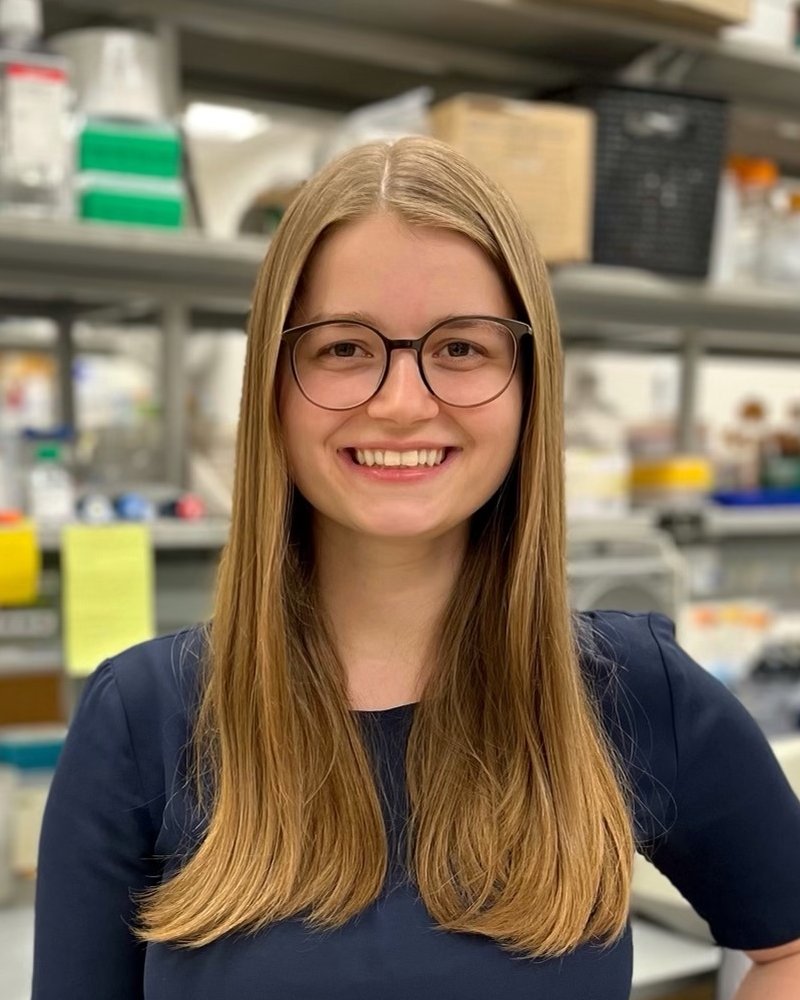
Fiona earned her B.Sc. in Biology from Humboldt University of Berlin and her M.Sc. in Molecular and Cellular Biology from Ludwig Maximilian University of Munich (LMU). During her master’s she participated in the Summer Internship Program in Epigenetics, Stem Cells and Cellular Plasticity where she joined the lab of Dr. Maria-Elena Torres-Padilla to study the mechanisms behind the establishment of totipotency. She completed her master’s thesis under the joint supervision of Dr. Till Bartke and Dr. Heinrich Leonhardt where she investigated mechanisms and players responsible for maintaining DNA methylation in mouse embryonic stem cells. After enrolling in the BBS program in 2022, Fiona joined the Giraldez lab in spring 2023 to study chromatin structure during mouse embryonic development. Fiona’s work is supported by a Boehringer Ingelheim Fonds (BIF) PhD Fellowship.
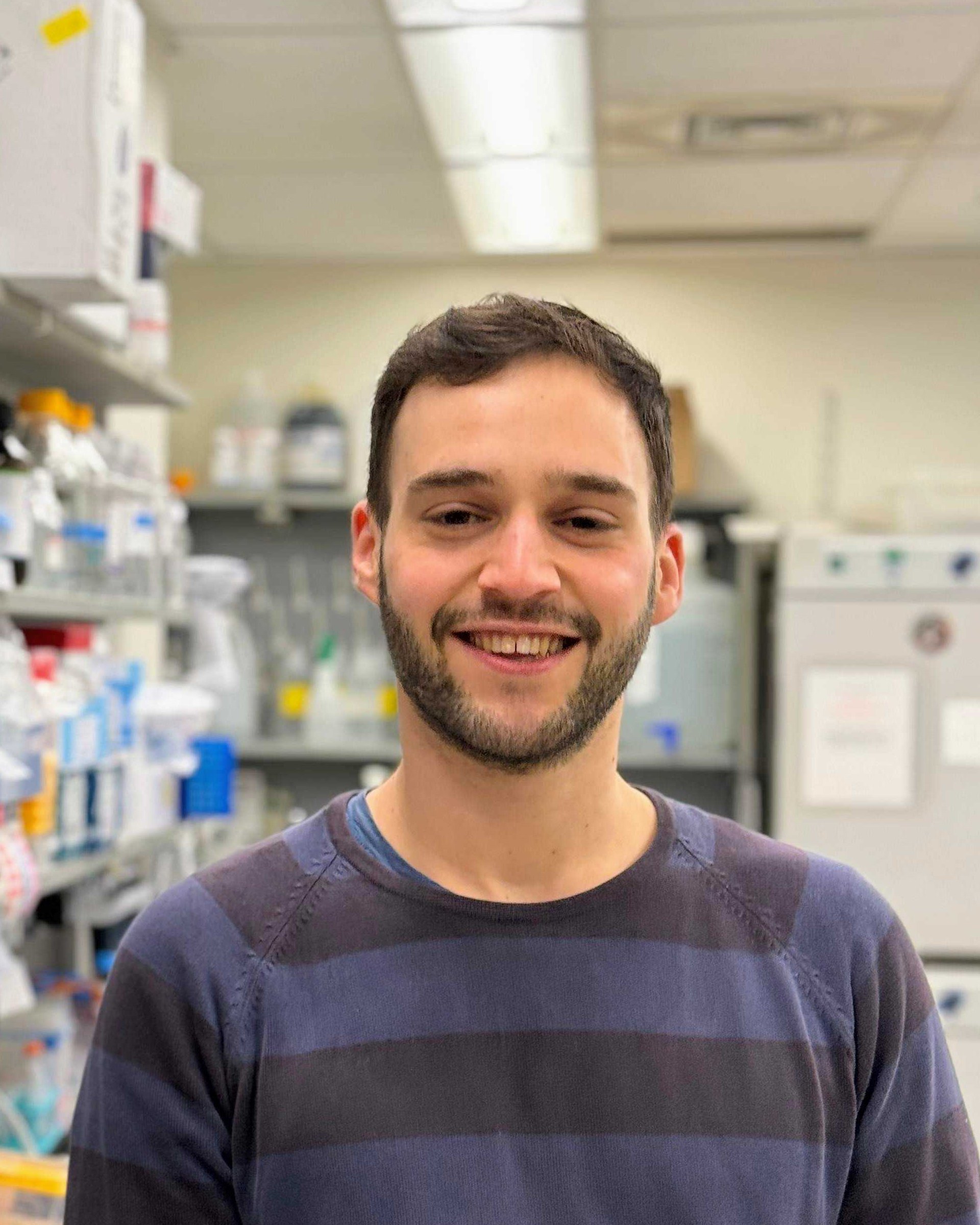
Gal received his bachelor’s degree from the Research biology program at Tel Aviv University. Throughout his undergraduate studies, he conducted research in multiple areas, including oncolytic virotherapy with Dr. Marcelo Ehrlich, nanoparticle drug delivery in the laboratory of Dr. Dan Peer, and bioinformatic research in the lab of Dr. Tal Pupko. Gal entered the BBS graduate program at Yale University in 2022 and joined the Giraldez lab in the spring of 2023. Gal’s work is supported by a Boehringer Ingelheim Fonds (BIF) PhD Fellowship.
Ayushi graduated from the University of Chicago in 2022, where she double majored in French Literature and Biological Sciences. She was an undergraduate researcher in the lab of Dr. Michael Glotzer, where her project focused on small GTPase regulation of cytokinesis in C. elegans. After graduating, she won a Fulbright award to study asymmetric heart morphogenesis under Dr. Sigolène Meilhac at the Institut Pasteur, while also earning her master’s in Life Sciences at the Université Paris Cité. She entered Yale’s BBS program in the fall of 2023 and joined the Giraldez lab in the spring of 2024.
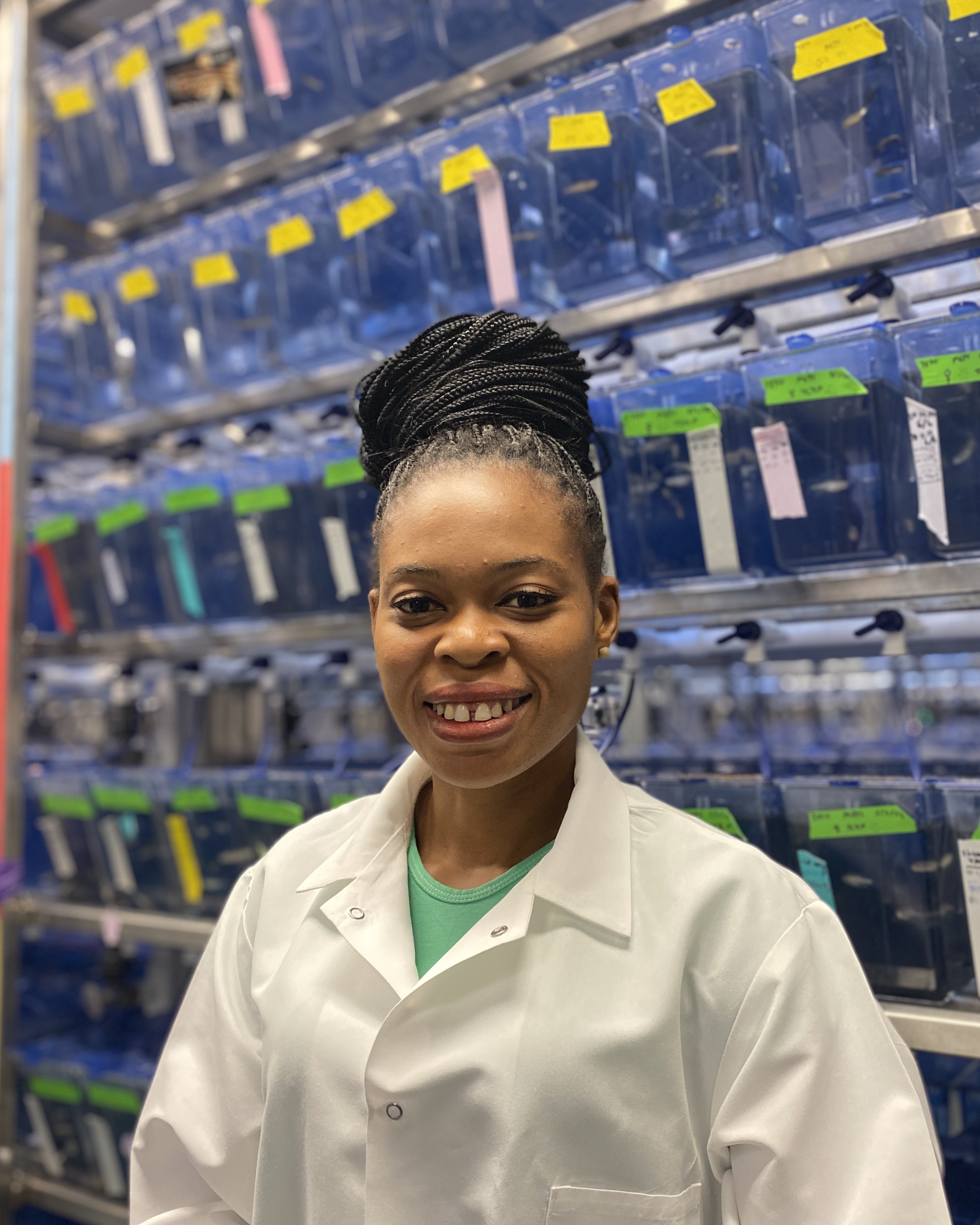
Damilola Olowookere earned a Bachelor’s in Aquaculture and Fisheries Management at the Federal University of Agriculture (Abeokuta, Nigeria) in 2016. After graduation, she worked in Triton Aqua Africa Limited as supervisor in the production and management of African Catfish and Tilapia. She proceeded to work with Aquatic Hub Afrique Network, one of the leading aquaculture firms in Nigeria, with the skills in the management of genetically improved tilapia and African catfish. Damilola joined the Giraldez Lab in May 2023 as a Postgraduate Associate.
Before coming to Yale, Donna worked at Bayer Healthcare for 10 years as an Administrative Assistant in the Department of Quality Assurance and the Department of Drug Safety. Donna has been working at Yale since 2008 providing Administrative Support for Dr. Giraldez and his lab members, and for other faculty in the Department of Genetics.
Coco, our 5-year-old Golden Retriever of the Giraldez Lab! As a pandemic pup, Coco’s journey began during the toughest times two weeks into the pandemic, and he has since become an indispensable member of our team. Specializing in emotional support, Coco’s primary research interests include RNA translation and stability, chromatin biology, genome activation, genome imaging, and RNA therapeutics. When not contributing to groundbarking discoveries, he can be found wagging his tail enthusiastically, providing cuddles upon request, and ensuring everyone gets their daily dose of joy. Coco’s favorite activities include napping during lab meetings and offering moral support. Here’s to Coco, our youngest, furriest and enthusiastic lab member!